Category: Photo Notes

  • Rose Coloured Glasses

    > > >

    Winter Light

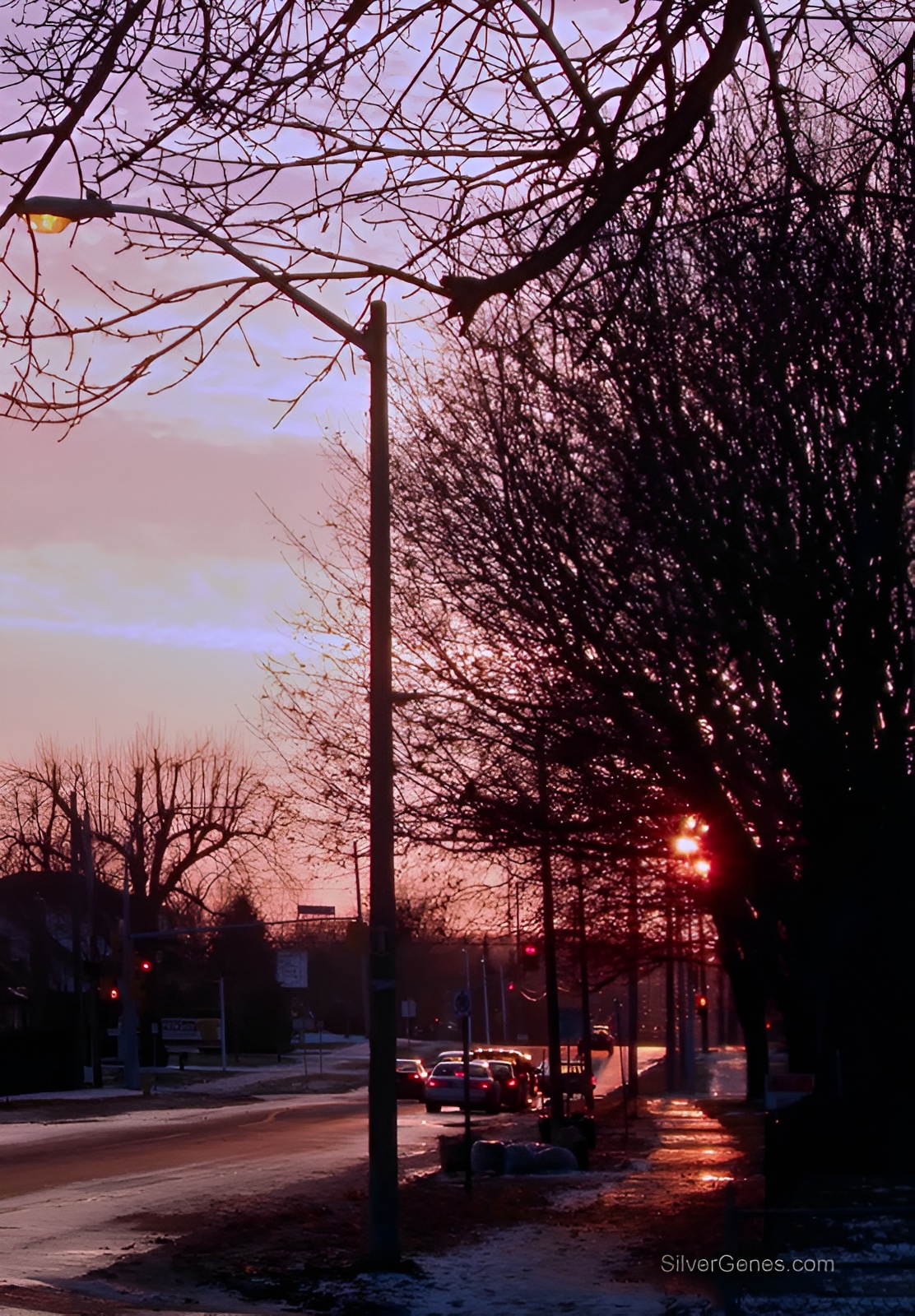
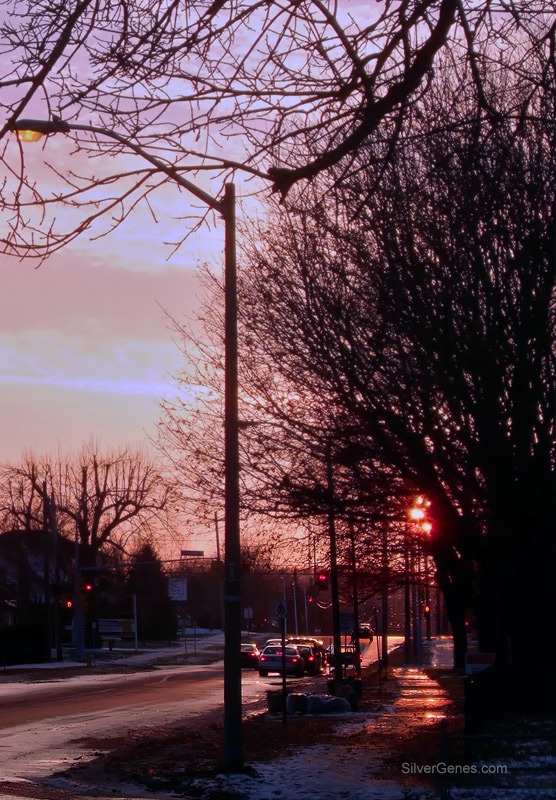
    Ontario evening sky colours are different from the dazzling displays on the prairies. If colour were music, we would be talking Brahms and Beethoven respectively.

    The Ontario colours are softer with shades of pink that blend subtly with the orange sherbet colours closer to the sun. This photo was taken in high quality JPG format on the way to the convenience store with the Fuji F10, a little point-and-shoot that continues to amaze me with the way it handles low light.

    In Photoshop, it was opened in the ProPhoto RGB colour space in order to avoid clipping the warmer colours and adjusted in Curves. This is my favorite colour space for processing everything, especially photos with yellows, reds, and oranges. These are the first colours to be clipped in smaller spaces. Then it was cropped with perspective to straighten the streetlight and horizon. Sharpening was done lightly with the High Pass filter.  Image was converted for web colour space and resized. It’s not a spectacular shot but rather an everyday memory. It captures a brief moment when the world was filtered through a rose-colored sunset.

    Writer’s note: Have you noticed that it is the warmer color that tends to be clipped in images? The same holds true for words. We often tend to censor our passion, allowing some to leak on to the page, but not in its true state. Explore both the vibrant western sky and the rose and orange sherbet sunsets of the central east. Each has value. Each describes a state of being that is breathtaking and neither deserves clipping.
    Fujifilm Finepix F10

    Leave a Reply

    Your email address will not be published. Required fields are marked *

  • Captain William Kennedy House

    > >

    High Tea

    North of Winnipeg lies the rural municipality of St. Andrew’s,
    an historic area with beautiful old buildings from Manitoba’s
    early days. Tea in the Maple Grove Tea Room at the
    Captain Kennedy House was a lavish affair, replete with ghost stories and the best desserts this side of heaven. After a decade and extensive renovations, it has reopened as The Heritage Tea Room.
    Captain William Kennedy House

    While I haven’t been back to try The Heritage Tea Room offerings, its predecessor, Maple Grove Tea Room, did not disappoint. It was a lovely in every way. After a leisurely sojourn on the veranda eating Strawberry rhubarb pie while overlooking the Red River, we took a tour through the museum and gardens.

    Afterwards, we walked across to St. Andrew’s Anglican Church and cemetery to take some photos. St. Andrew’s on the Red was built in 1849 and is the oldest surviving stone church in western Canada. We’ve visited the area in every season and it’s beautiful. Next time I’m in Manitoba, I would like to go back again and see what work has been done to preserve this magnificent home. And definitely I’ll have tea.

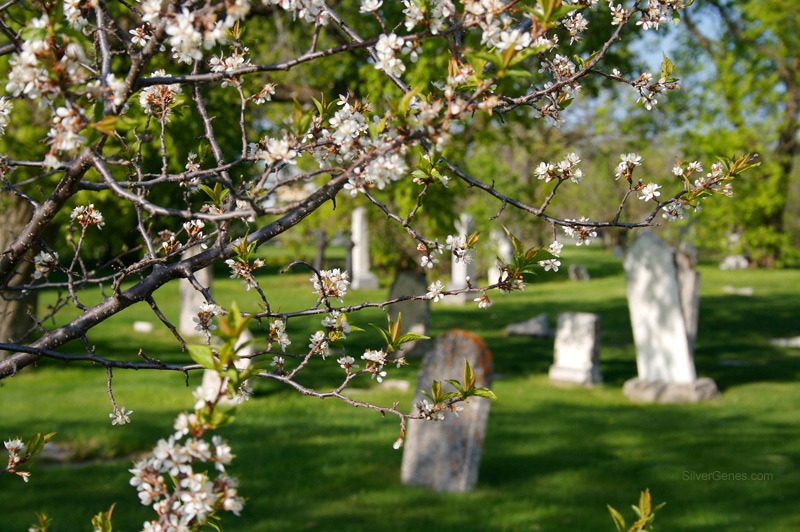
    St. Andrew’s Anglican Church cemetery in spring
  • Eggs on a Soft Background

    >

    Key Notes

    Trying new things involves a little risk and a lot of experimentation. High key is something I had never tried before and there is a lot to learn.
    Canon EOS Digital Rebel XTi – 45mm Tv mode 400 ISO, f/7.1, 1/50s

    Overexposing slightly was the first step and it was important to avoid any blowout in either the background or the subject. This was shot indoors on a drab winter day in natural light. The camera was set to shutter priority mode which is Tv or S on your camera dial. Film speed was set at 400 ISO, shutter speed at 1/50 second (use a tripod) at f/7.1 with the lens at 45 mm. No flash was used. Using natural daylight and a piece of white paper on the left side to reflect light and another sheet under the eggs on a soft background resulted in this shot. There were problems that I may have been able to overcome if I had set a custom white balance and used manual settings. Converting to black and white solved the problem of reflected yellows in the heavier shadow areas.

    Writer’s note: Drab winter days are a great excuse for eating chocolate and watching re-runs of South Park but they are also a good time to experiment. The high key photo was my way of finding the inside workings of ‘sameness’. Nothing is drab and uninteresting really. Do the same thing with writing. Create an assignment for yourself to write something that features one thing – white. Or something else just as uninteresting on the surface. Create a poem or short story. You might be surprised by what happens when you whisper instead of shout.

  • Reflections in Water

    > > >

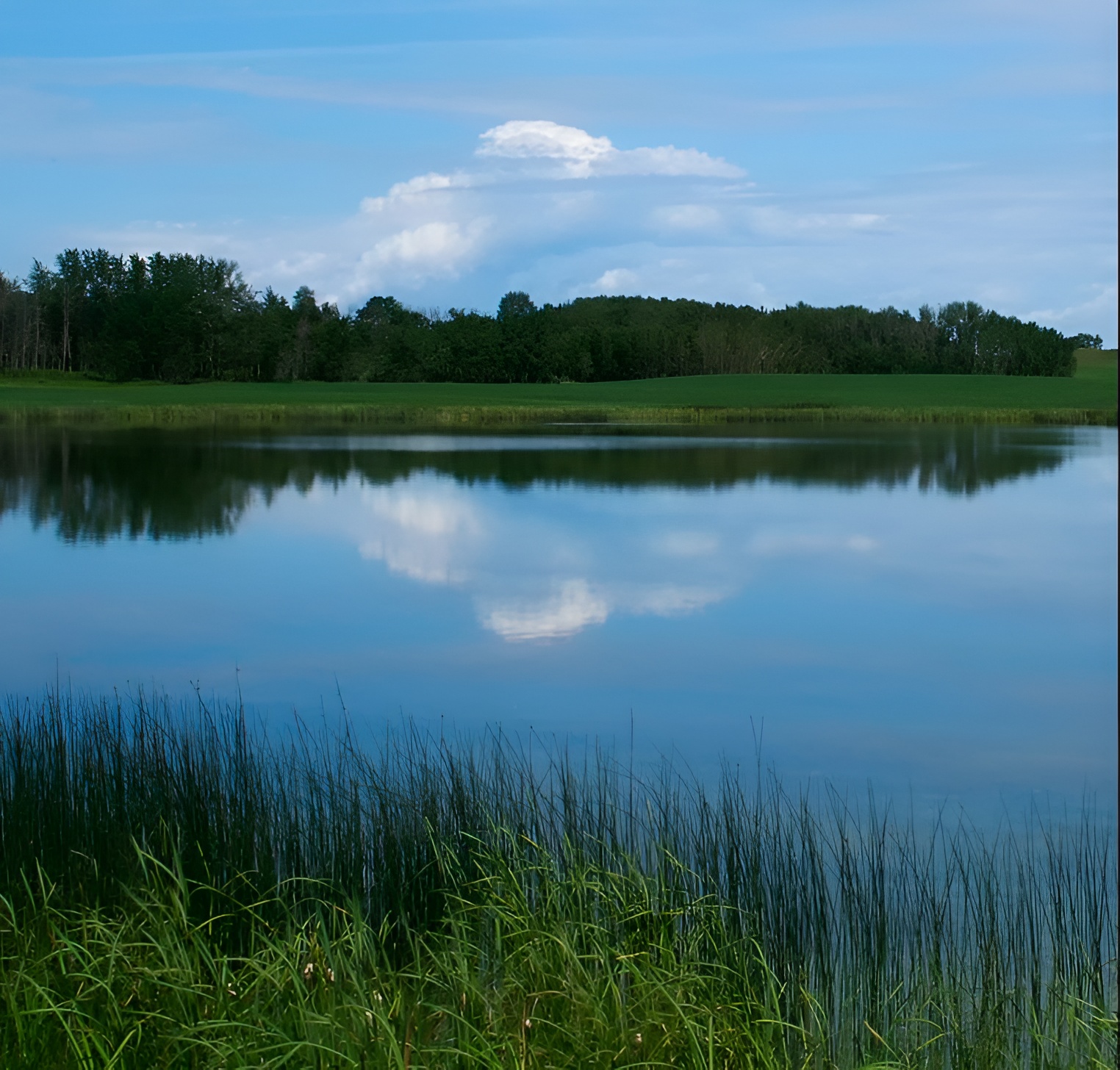
    Minnedosa

    Minnedosa is a little town nestled on the banks of the Little Saskatchewan River in southwest Manitoba.

    It means 'flowing water' in the Dakota language.

    We found the bison park and a beach. And there are some sizeable hills, too.

    You never know what lies around the bend, like this little gem of a spot.
    Canon Digital Rebel XTi – ISO 400, shutter 1/500 sec, f/18, 28 mm lens

    This is not the optimal time of day for a shot like this, but I was there and the cloud was there. Some things just take your breath away. They appear out of nowhere, around a bend and over a hill. Yes, believe it or not there are hills in Manitoba and the closer you get to Minnedosa, the steeper they get. It’s beautiful country.

    We were on a road trip and I had been taking shots from the window hence the higher ISO. I wish I had taken the time to make some better adjustments. This was shot in RAW, cropped and levels adjusted in Aperture. Then I sharpened with the High Pass filter in Photoshop and then masked to fine tune the adjustments before final sizing and converting to sRGB color space for web.

    Writer’s note: The same thing happens in writing. You are on a bus, waiting in a doctor’s office, having coffee somewhere and people-watching when the words come flooding. Be prepared to write them down or record them. Take a shot of the general atmosphere with your cellphone to trigger memory later. The best things happen when we least expect them!

  • Outdoor Deep Shade

    > > >

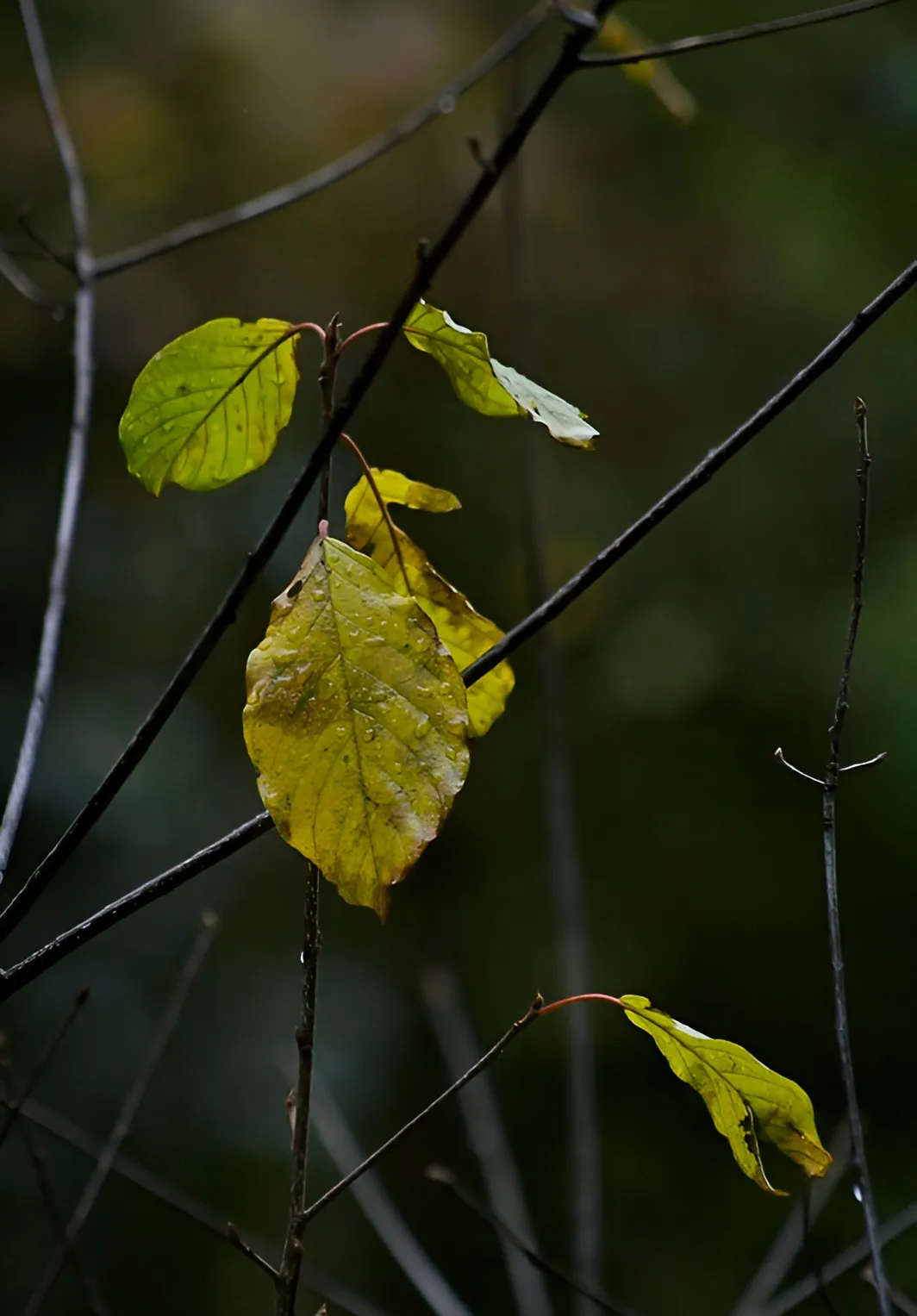
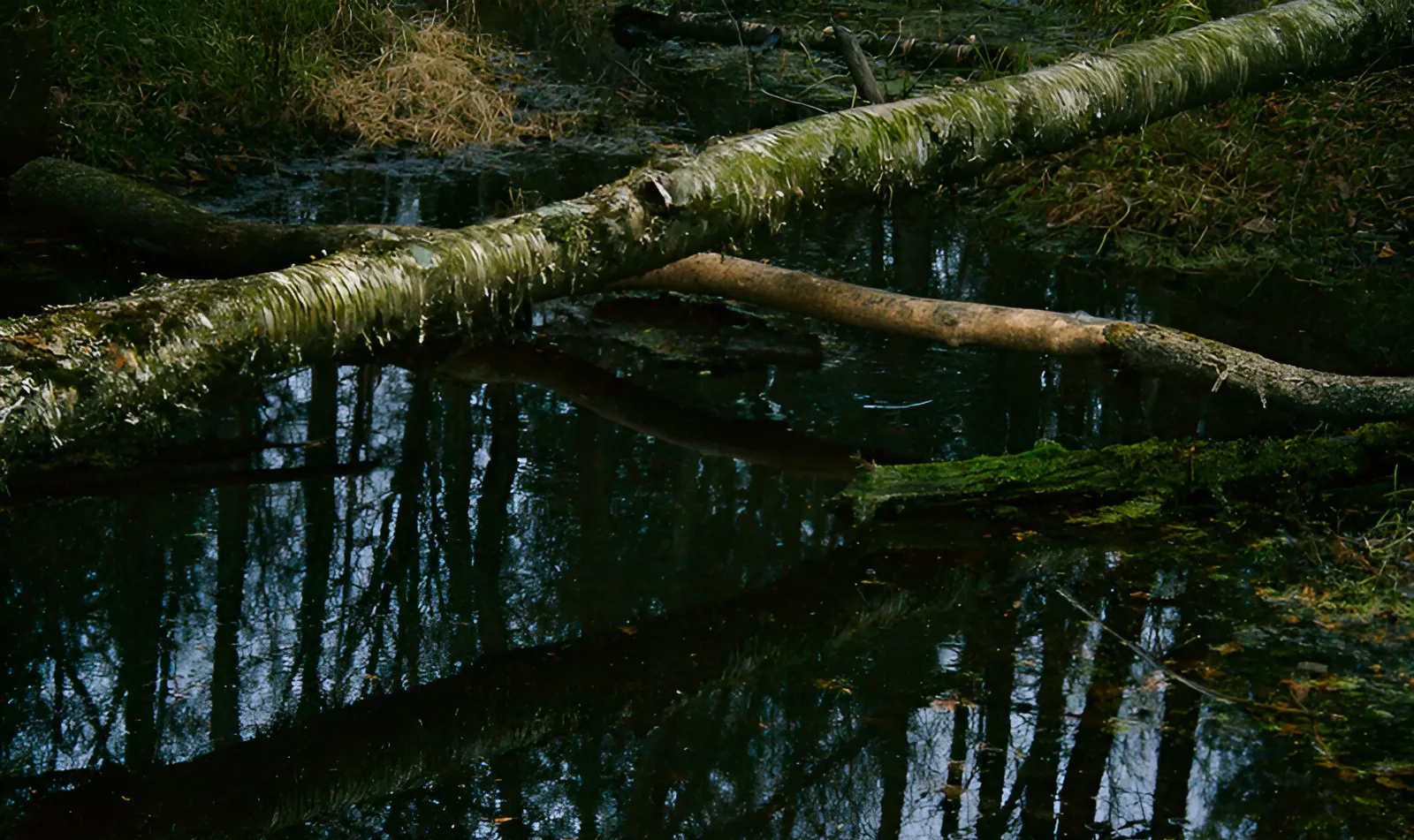
    November

    Canon Digital Rebel XTi – Tv mode – Manual

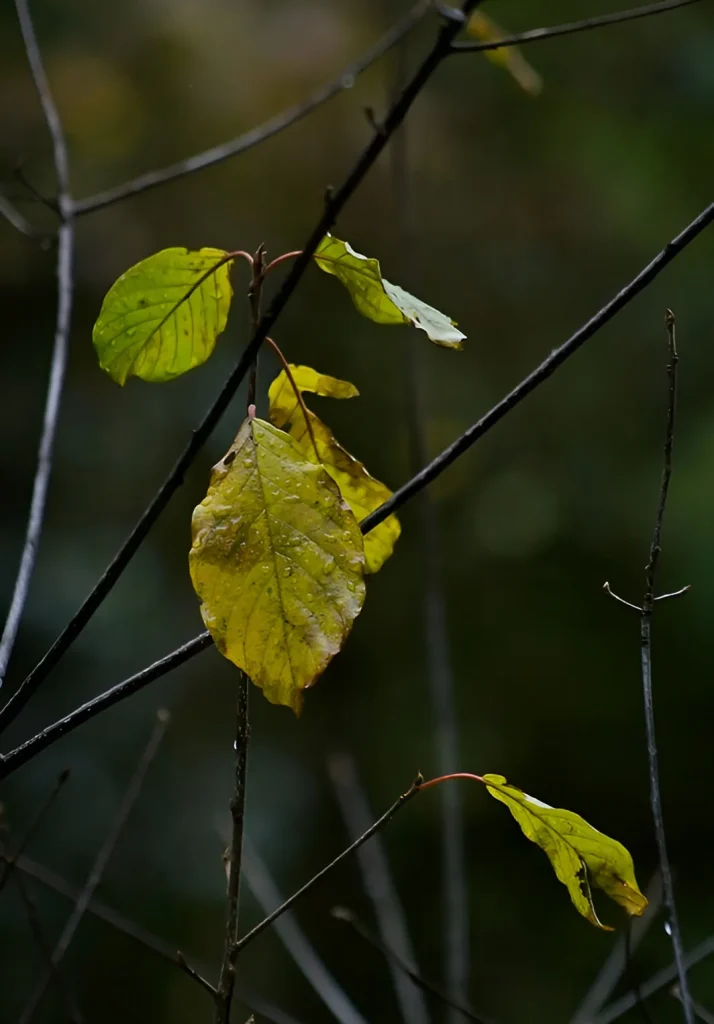
    After experimenting with various settings, I settled on Tv for more control over exposure and set the focus to Manual. The shadows had deepened and the colors were bordering on surreal but when I brought them into Photoshop, the images seemed drab and lifeless compared to what they had been in reality. I didn’t want to increase the saturation and risk blow-out in any of the channels – my days of increasing saturation were over shortly after I discovered that everything did not have to look like it had been shot in the Amazon jungle. I have old photos processed in my early Photoshop days that now belong to a category called “What was I thinking?”

    Bringing back what we saw in the first place

    To bring back a sense of what I had seen along the forest trail, working in the ProPhoto color space, I converted the images to LAB mode and gently steepened the curve in the A and B channels, leaving the Lightness channel alone. I reduced the effect about 50% and switched back to RGB for a little sharpening using the High Pass filter before converting to sRGB IEC61966 and reducing the size for web. The final result is much closer to what prompted me to take the photo in the first place!

    Writer’s note: For me, November has always been a time when all things are possible. The world shifts in smoke and mist and musings can be rather melancholy. Light changes rapidly, leaving memories behind on the shore. It is the time of year I re-read books by Thomas Hardy. My love affair with November began with a novel I read as a girl. It was from the more innocent years of the early ’60s and was called Then Came November. There is the movie, Sweet November, that stayed with me for years. No, not the bad remake but the original from 1968 with Sandy Dennis and Anthony Newley. Nothing stands still in November — hold each moment. Capture the thought for it is extraordinary!

    Canon Digital Rebel XTi – Tv mode – Manual
  • Gates Keeper

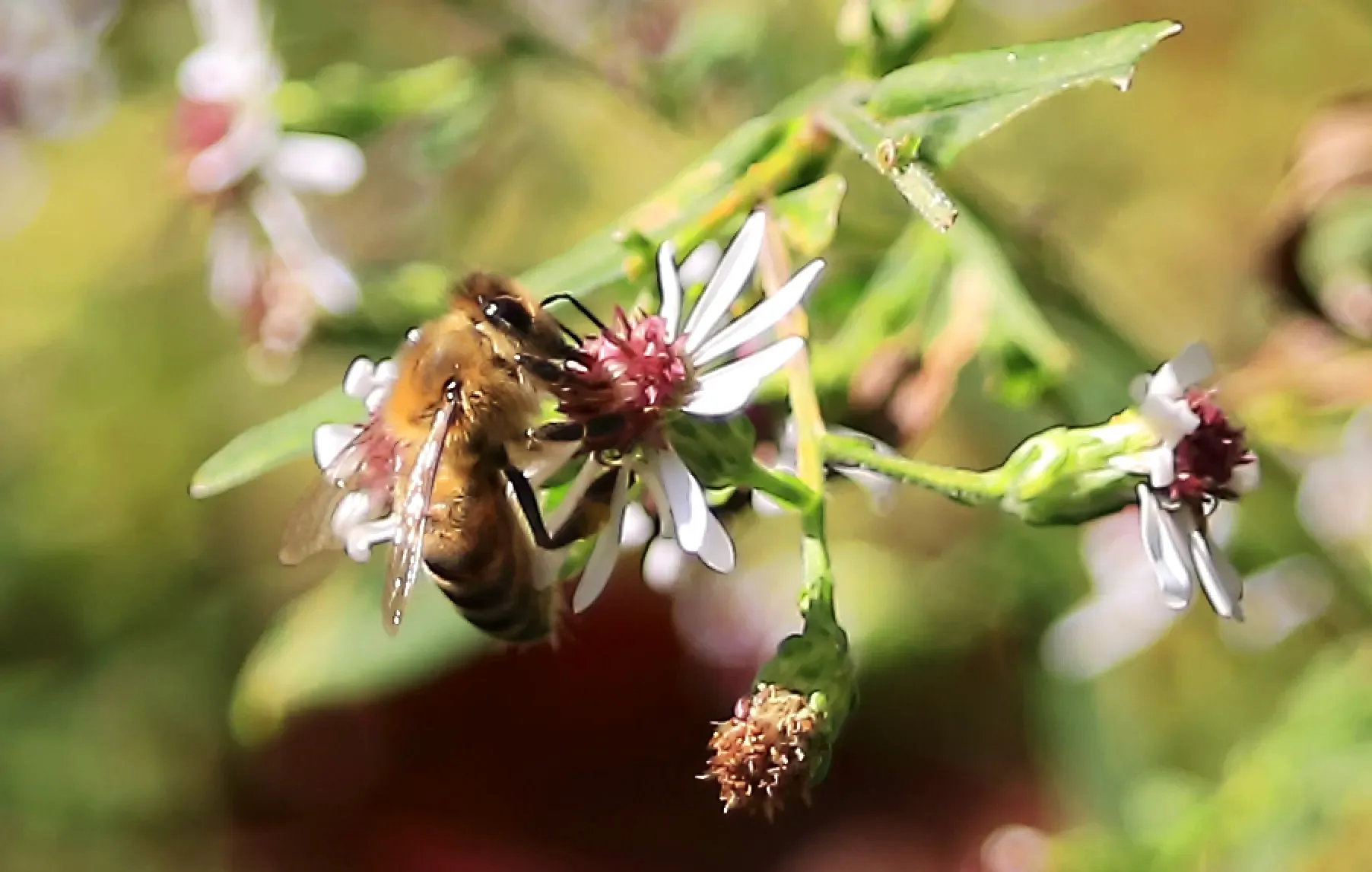
    Without a doubt, this was one of life’s more pleasant surprises as we walked back from rather interesting encounters along the side of the Misericordia Hospital in Winnipeg. Approaching The Gates, we walked past a home for sale on the corner with a garden any Englishman would covet. Truly.

    It was a very warm day and the entire garden was humming like a choir finding their respective keys. It was mesmerizing.

    It’s fair to say that while I love to listen to the hum and watch bees at work, I have a terror of them getting caught in my hair. Distance is my friend, but I really wanted a photo of this one on top of the echinacea. For a wild moment, I thought maybe the telephoto lens would be a good idea, but then sanity took hold.

    The moment I looked through the viewfinder, I forgot about everything except how lovely it all was and how easily she balanced herself on top of the flower. I was hooked and I’ve never looked back.

    Honeybee (Apis mellifera) – iPhone 14 Pro Max

    Wildlife photography isn’t only the larger animals, though they are amazing to find. It’s also the chipmunks and squirrels, the insects, snakes and amphibians you later have to look up in reverse photo search to identify.

    This little bee was found along Baille Ard trail in Sydney, Cape Breton.

    You don’t always have to leave home either. I had tiny salamanders in my basement by the sump pump a few years ago and while I was investigating, found a carrot growing down there, too.

    Honestly, I’ve learned more about so many little creatures since photographing them and now it’s only the thought of hornets in my hair that tends to give me nightmares.

  • Low Light Interior

    > >

    Patterns

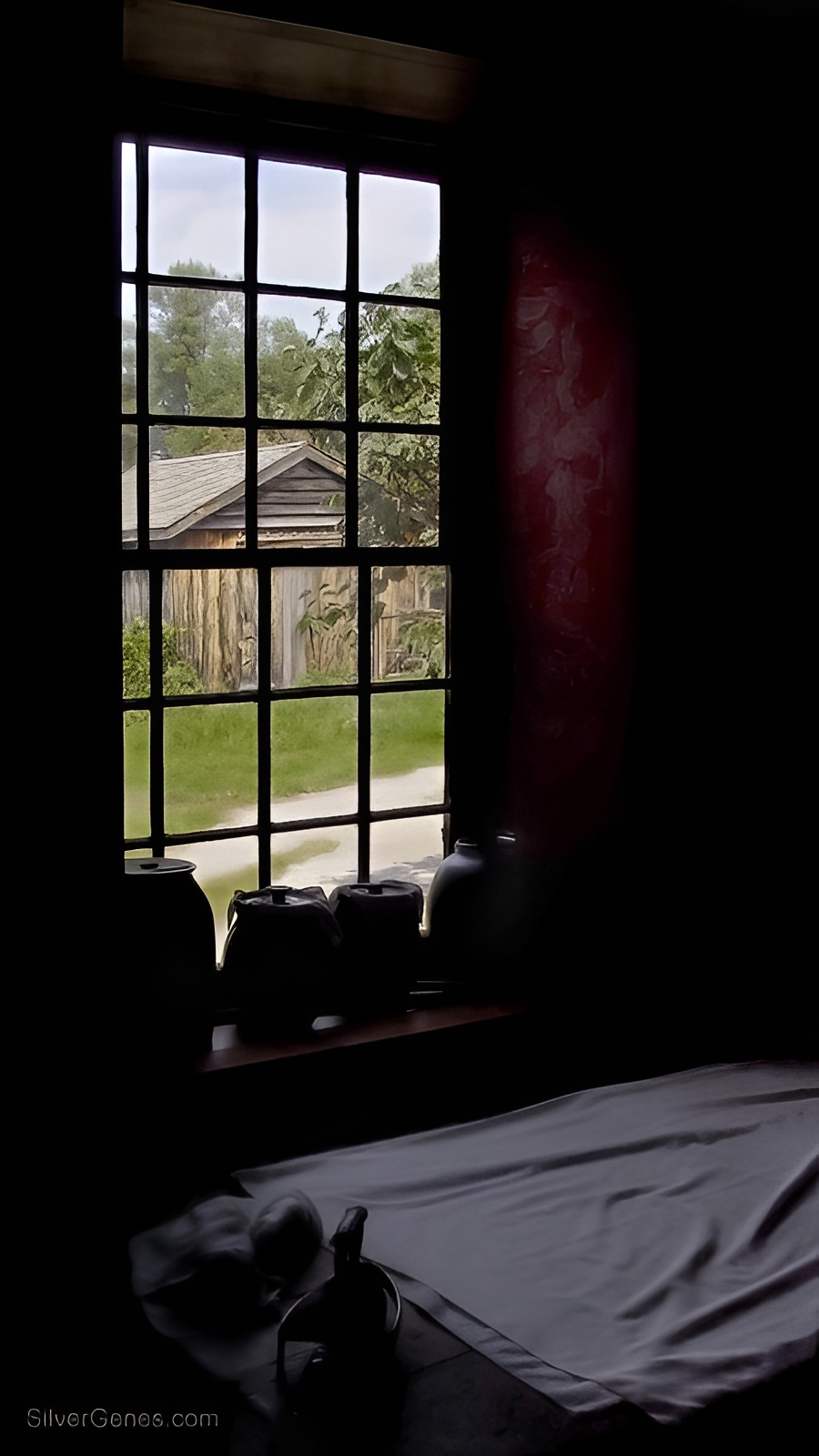
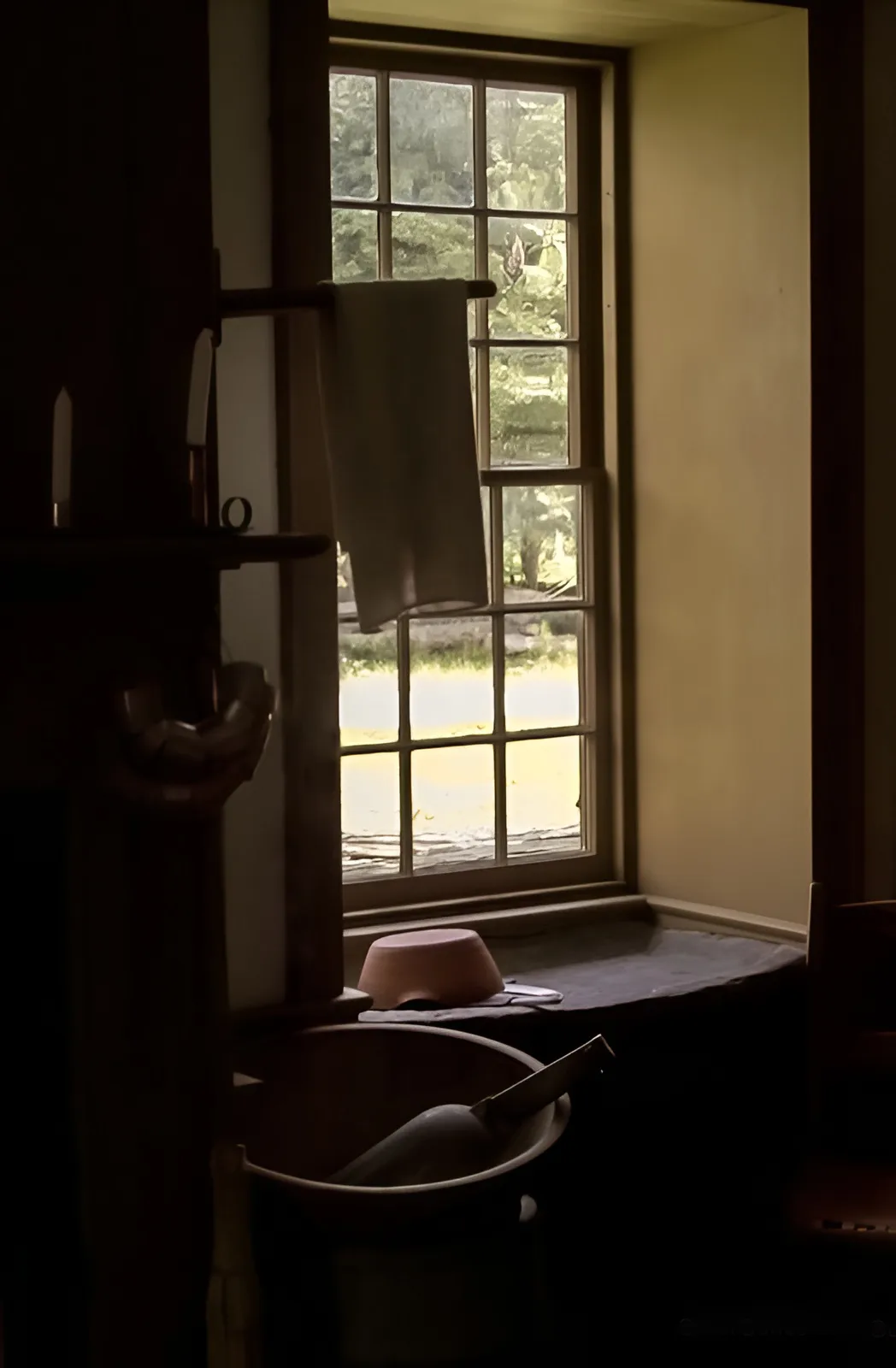
    These are my first digital photos taken with a Sigma SD9 way back in 2001. It was at Upper Canada Village in Morrisburg, Ontario on a bright summer afternoon.

    This is less than optimum for interior shots with a window as a backdrop. Because there was an expanse of white fabric in the foreground, exposure was lowered to capture more detail outside. Same problem though in low light situations – noise present in the foreground. Again, minimal adjustments here. Shadow Highlight with masking brought out detail in the curtain on the right side of the window but once again, Levels had to be adjusted to avoid confusion in the shadow zones.

    Lesson learned:

    It’s much better to slightly overexpose than underexpose. The math of digital photography maintains more information at the light end and allows more detail to be recorded and rescued when needed.

    Writer’s note: 

    By now it’s probably apparent that I have a ‘thing’ for windows and doors. For me they represent portals to the past, to the future, and to the unknown.

    There is a feeling that I try to capture in some of these impossible shots and even though it may be technically challenging, the underlying emotional response is still there.

    Can I still smell the linens as they were being pressed? Can I imagine the summer activities outside as I sprinkle more lavender water over the sheets?

    Yes! The same holds true for my writing notes as for the photo.

    Pay attention to the foreground when near time portals!

    Sigma SD9 – ISO 400+
  • Shadowlands

    > >

    Washed Light

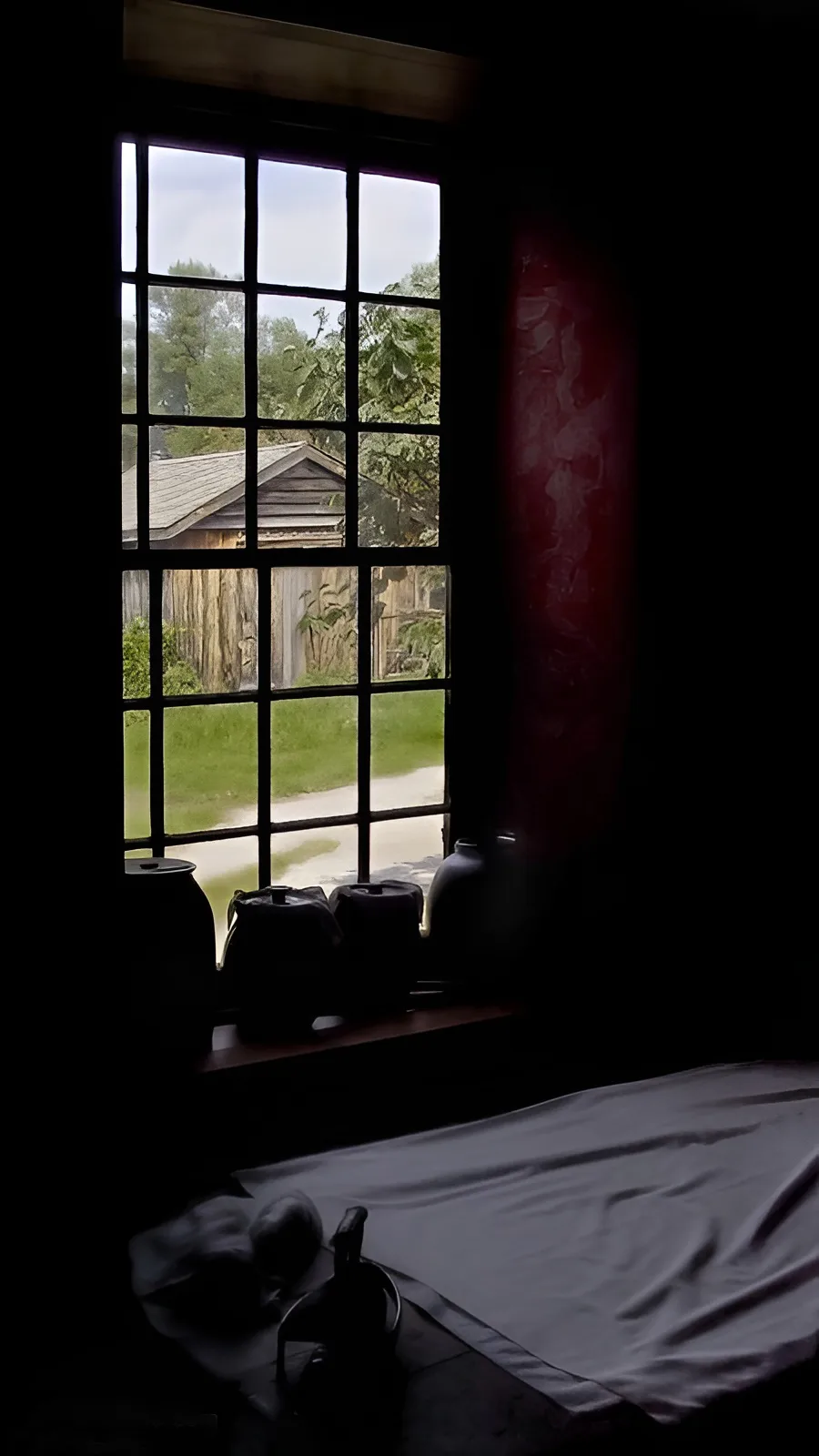
    This photo was taken at Upper Canada Village about 25 years ago with a Sigma SD9. It was shot in RAW and adjusted in Aperture and Photoshop.

    I still miss Aperture.

    This is what should be an impossible shot but I was going for the mood of deep shadow in the interior. Unfortunately, there is a great deal of noise in the low light areas so I made some minimal adjustments to these areas.

    It was taken at midday during the summer so the light is very harsh, intensifying the contrast. There is blowout in the road outside and flare that I removed from the metal hanging by the window. Still, there was something about the mood of the shot that made me want to keep it.

    Levels adjustments were used to unify the shadow zones and I adjusted the RAW image for deep shade to capture the colours more accurately. Finally, a noise filter was applied to reduce the colour noise in the green and blue channels. If I were doing this again, I would make multiple exposures at the time of capture.

    Writer’s note: I love going to places where it feels as if I’ve stepped back in time. I’m keenly aware of the heat, the buzz of summer insects, the sound of everyday activities.

    Wait.

    Horses hooves and distant oxen are not exactly everyday noises. The scents and colors are different, too. Colors of milk paint and dyed wool have a depth and feeling of permanence that is hard to describe. Take the shot. Pull in as much as you can for reference. Can you feel the meaning and purpose of things? This is how it used to be every day. Remember and use it for your historical novels.

    Sigma SD9 – ISO 400+
  • The Orton Effect

    > >

    Tango

    Just before the rain, the light shifted and the color temperature warmed making the tango geranium look almost surreal.

    I shot the photo in RAW.

    Next, I used the Orton Effect to take advantage of the particularly brilliant color of the flower, then used a layer mask to remove the effect from the center of the bloom while retaining it in the rest of the photo.

    The image was imported into Photoshop in the ProPhoto color space. This is the only space large enough to work where reds and oranges would not be clipped. When I was finished with the editing, it was then converted to sRGB and sized for web.

    There is a certain amount of ‘glow’ with the effect and now, so many years later, I may dig out the original photo and see what else I can do with it. I’ll keep you posted!

    Writer’s note: Are there some things we just can’t salvage? Yes, of course, but if you are still looking at it years later, there is something about it that works.

    What brings you back?

    Discover the element that works and build the rest around it.

    Don’t do so much that it obscures the original though.

    Orton Effect on Tango Geranium
  • High Noon Light

    > > >

    Breakwater

    I wanted to see if there would be any exposure problems or color shifts with the sun shining directly on the light rocks and the sky in the background.

    This was shot in RAW format in the harsh light of early afternoon against an almost cloudless sky – ISO 100, f/14 at 1/400 sec. No filter used.

    The image was then imported to Aperture and simple adjustments made in RAW before exporting to Photoshop for resizing and sharpening for web.

    The image was exported as a 16-bit TIFF in ProPhoto color space to preserve the oranges and reds at the upper end of the tonal range. Then, after applying a slight curve and sharpening, it was converted to sRGB IEC61966 and resized for web and saved as an 8-bit JPG.

    Normally, this type of image should look terrible on the web, but this process managed to maintain the detail and texture in the rock, with no clipping in the orange areas and blue tones that stayed true to the original. Update 2026: Displays have improved immeasurably since this post.

    Writer’s note: Is there a benefit to writer’s block? Does exploring it have the same result as shooting this kind of photograph? I think it does. Exploring that which blocks us and looking for the overall balance with the rest of our creative life is what makes breakthroughs. Blocked? Fine. What does it feel like? Is the texture different? Describe it without ‘clipping’ and make it work!

    Canon Digital Rebel – ISO 100, f/14 at 1/400s