
Category: In Camera

All things camera and settings related.

  • Eggs on a Soft Background

    >

    Key Notes

    Trying new things involves a little risk and a lot of experimentation. High key is something I had never tried before and there is a lot to learn.
    Canon EOS Digital Rebel XTi – 45mm Tv mode 400 ISO, f/7.1, 1/50s

    Overexposing slightly was the first step and it was important to avoid any blowout in either the background or the subject. This was shot indoors on a drab winter day in natural light. The camera was set to shutter priority mode which is Tv or S on your camera dial. Film speed was set at 400 ISO, shutter speed at 1/50 second (use a tripod) at f/7.1 with the lens at 45 mm. No flash was used. Using natural daylight and a piece of white paper on the left side to reflect light and another sheet under the eggs on a soft background resulted in this shot. There were problems that I may have been able to overcome if I had set a custom white balance and used manual settings. Converting to black and white solved the problem of reflected yellows in the heavier shadow areas.

    Writer’s note: Drab winter days are a great excuse for eating chocolate and watching re-runs of South Park but they are also a good time to experiment. The high key photo was my way of finding the inside workings of ‘sameness’. Nothing is drab and uninteresting really. Do the same thing with writing. Create an assignment for yourself to write something that features one thing – white. Or something else just as uninteresting on the surface. Create a poem or short story. You might be surprised by what happens when you whisper instead of shout.
  • Reflections in Water

    > > >

    Minnedosa

    Minnedosa is a little town nestled on the banks of the Little Saskatchewan River in southwest Manitoba.

    It means 'flowing water' in the Dakota language.

    We found the bison park and a beach. And there are some sizeable hills, too.

    You never know what lies around the bend, like this little gem of a spot.
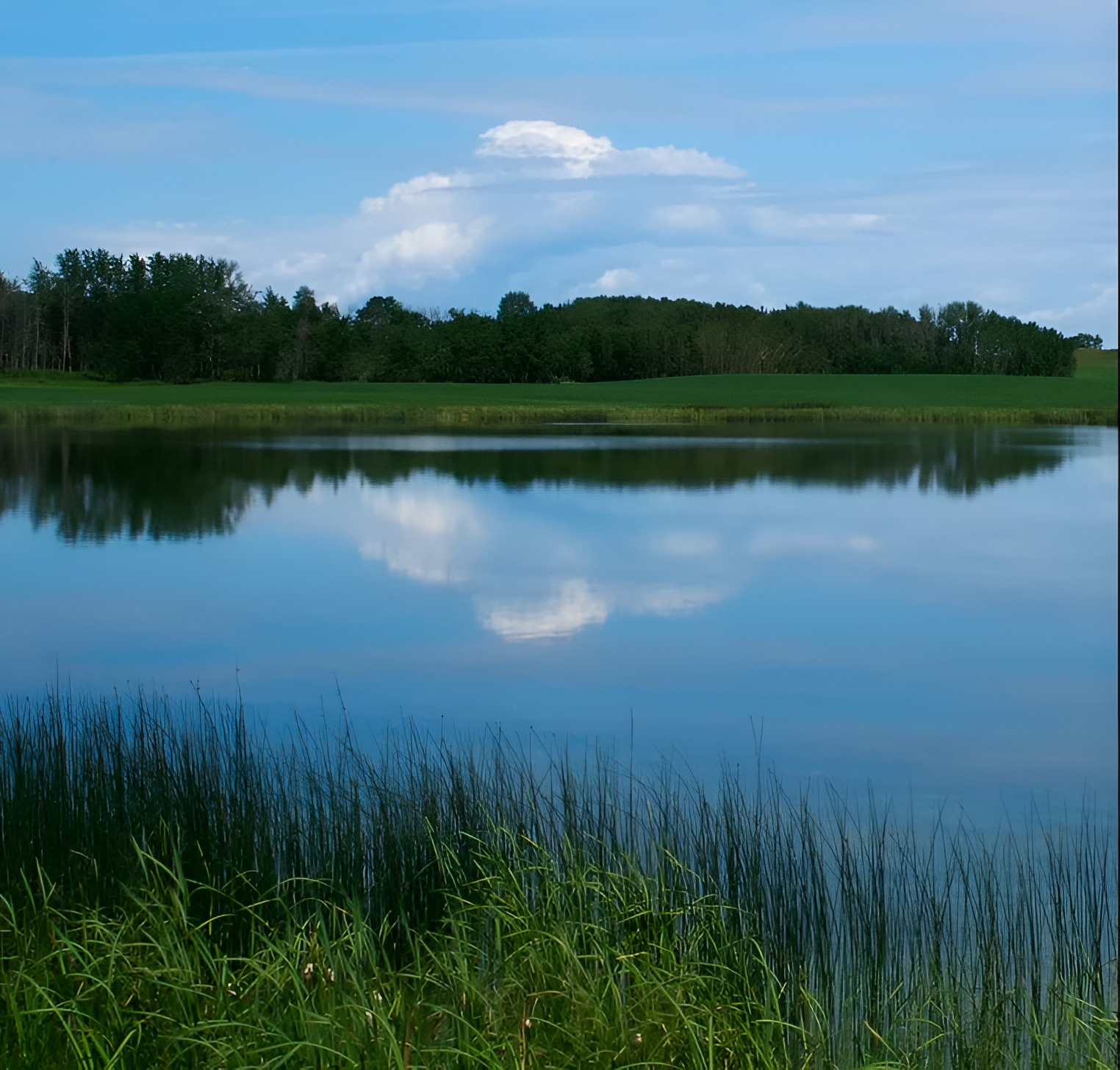
    Canon Digital Rebel XTi – ISO 400, shutter 1/500 sec, f/18, 28 mm lens

    This is not the optimal time of day for a shot like this, but I was there and the cloud was there. Some things just take your breath away. They appear out of nowhere, around a bend and over a hill. Yes, believe it or not there are hills in Manitoba and the closer you get to Minnedosa, the steeper they get. It’s beautiful country.

    We were on a road trip and I had been taking shots from the window hence the higher ISO. I wish I had taken the time to make some better adjustments. This was shot in RAW, cropped and levels adjusted in Aperture. Then I sharpened with the High Pass filter in Photoshop and then masked to fine tune the adjustments before final sizing and converting to sRGB color space for web.

    Writer’s note: The same thing happens in writing. You are on a bus, waiting in a doctor’s office, having coffee somewhere and people-watching when the words come flooding. Be prepared to write them down or record them. Take a shot of the general atmosphere with your cellphone to trigger memory later. The best things happen when we least expect them!

  • Outdoor Deep Shade

    > > >

    November

    Canon Digital Rebel XTi – Tv mode – Manual

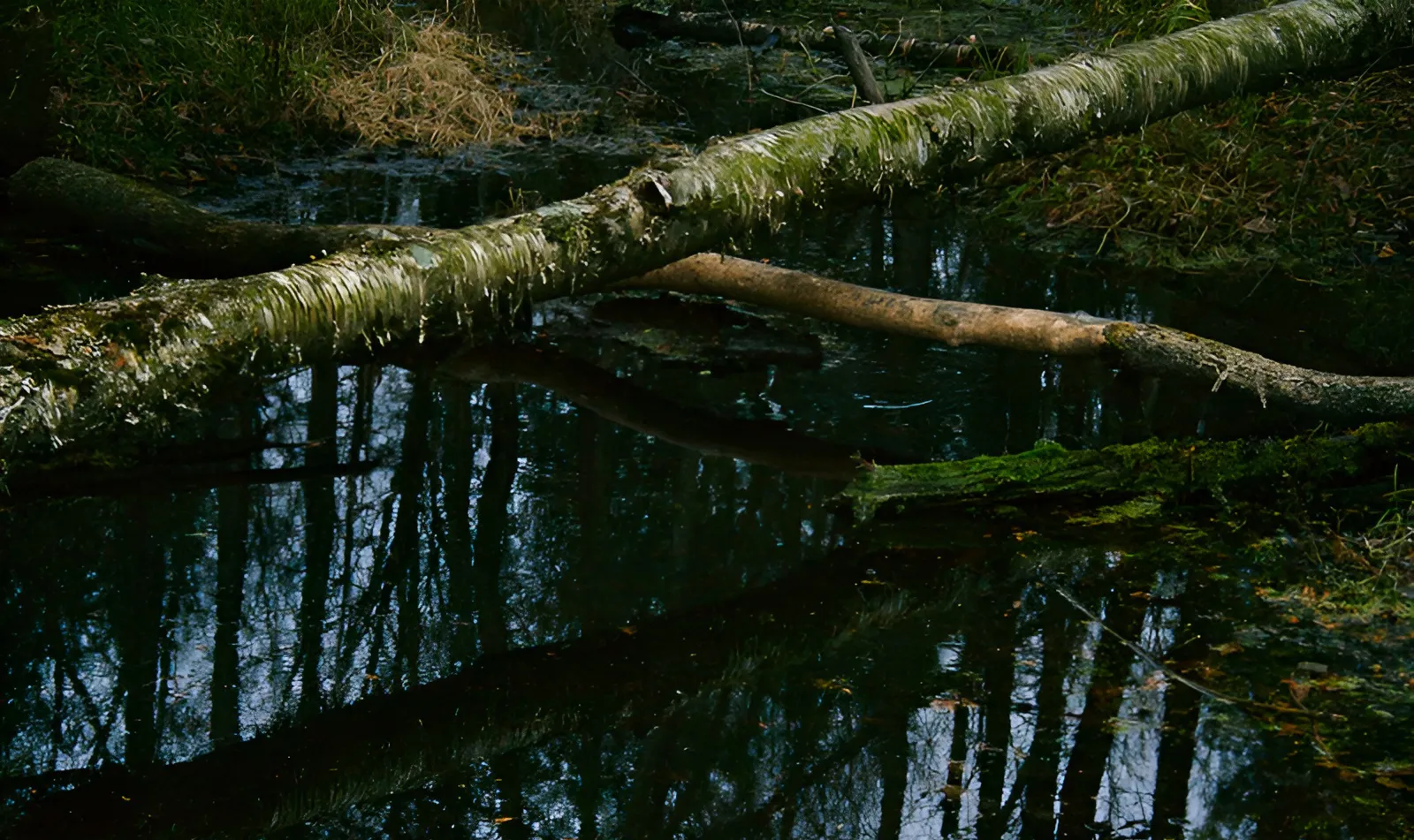
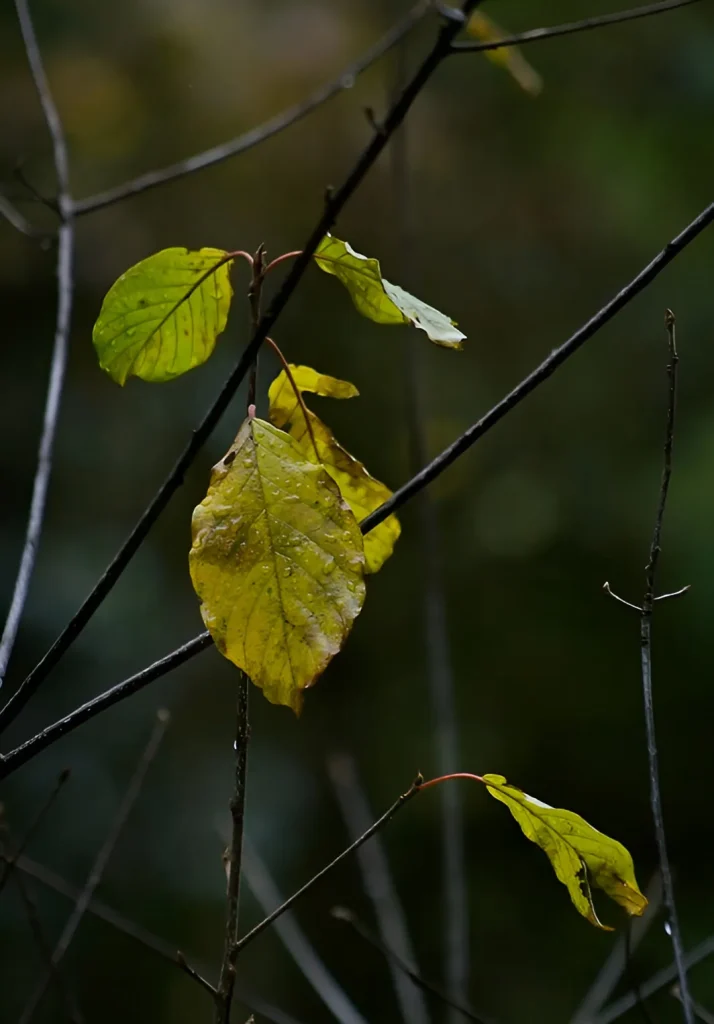
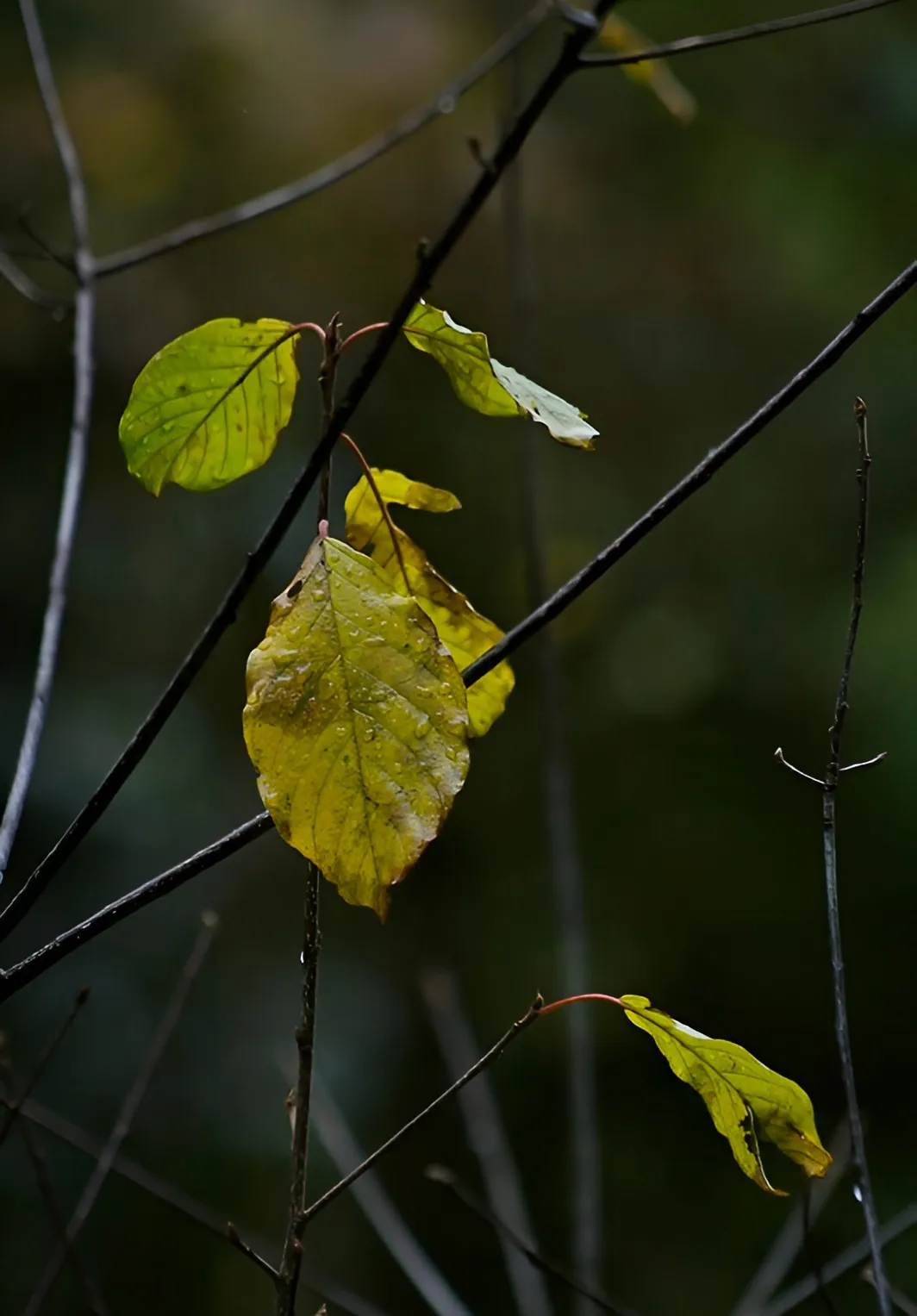
    After experimenting with various settings, I settled on Tv for more control over exposure and set the focus to Manual. The shadows had deepened and the colors were bordering on surreal but when I brought them into Photoshop, the images seemed drab and lifeless compared to what they had been in reality. I didn’t want to increase the saturation and risk blow-out in any of the channels – my days of increasing saturation were over shortly after I discovered that everything did not have to look like it had been shot in the Amazon jungle. I have old photos processed in my early Photoshop days that now belong to a category called “What was I thinking?”

    Bringing back what we saw in the first place

    To bring back a sense of what I had seen along the forest trail, working in the ProPhoto color space, I converted the images to LAB mode and gently steepened the curve in the A and B channels, leaving the Lightness channel alone. I reduced the effect about 50% and switched back to RGB for a little sharpening using the High Pass filter before converting to sRGB IEC61966 and reducing the size for web. The final result is much closer to what prompted me to take the photo in the first place!

    Writer’s note: For me, November has always been a time when all things are possible. The world shifts in smoke and mist and musings can be rather melancholy. Light changes rapidly, leaving memories behind on the shore. It is the time of year I re-read books by Thomas Hardy. My love affair with November began with a novel I read as a girl. It was from the more innocent years of the early ’60s and was called Then Came November. There is the movie, Sweet November, that stayed with me for years. No, not the bad remake but the original from 1968 with Sandy Dennis and Anthony Newley. Nothing stands still in November — hold each moment. Capture the thought for it is extraordinary!

    Canon Digital Rebel XTi – Tv mode – Manual
  • The Orton Effect

    > >

    Tango

    Just before the rain, the light shifted and the color temperature warmed making the tango geranium look almost surreal.

    I shot the photo in RAW.

    Next, I used the Orton Effect to take advantage of the particularly brilliant color of the flower, then used a layer mask to remove the effect from the center of the bloom while retaining it in the rest of the photo.

    The image was imported into Photoshop in the ProPhoto color space. This is the only space large enough to work where reds and oranges would not be clipped. When I was finished with the editing, it was then converted to sRGB and sized for web.

    There is a certain amount of ‘glow’ with the effect and now, so many years later, I may dig out the original photo and see what else I can do with it. I’ll keep you posted!

    Writer’s note: Are there some things we just can’t salvage? Yes, of course, but if you are still looking at it years later, there is something about it that works.

    What brings you back?

    Discover the element that works and build the rest around it.

    Don’t do so much that it obscures the original though.

    Orton Effect on Tango Geranium
  • High Noon Light

    > > >

    Breakwater

    I wanted to see if there would be any exposure problems or color shifts with the sun shining directly on the light rocks and the sky in the background.

    This was shot in RAW format in the harsh light of early afternoon against an almost cloudless sky – ISO 100, f/14 at 1/400 sec. No filter used.

    The image was then imported to Aperture and simple adjustments made in RAW before exporting to Photoshop for resizing and sharpening for web.

    The image was exported as a 16-bit TIFF in ProPhoto color space to preserve the oranges and reds at the upper end of the tonal range. Then, after applying a slight curve and sharpening, it was converted to sRGB IEC61966 and resized for web and saved as an 8-bit JPG.

    Normally, this type of image should look terrible on the web, but this process managed to maintain the detail and texture in the rock, with no clipping in the orange areas and blue tones that stayed true to the original. Update 2026: Displays have improved immeasurably since this post.

    Writer’s note: Is there a benefit to writer’s block? Does exploring it have the same result as shooting this kind of photograph? I think it does. Exploring that which blocks us and looking for the overall balance with the rest of our creative life is what makes breakthroughs. Blocked? Fine. What does it feel like? Is the texture different? Describe it without ‘clipping’ and make it work!

    Canon Digital Rebel – ISO 100, f/14 at 1/400s